 listicle
Benefits of Integrated Facility Staffing Services
Table of Contents
- What Integrated Facility Staffing Services Actually Do
- Healthcare Facility Cleaning and Compliance Benefits
- Operational Efficiency and Cost Control
- Event Turnover Cleaning and Rapid Response Staffing
- Day Porter Services for Continuous Facility Coverage
- Employee Retention and Workforce Stability
- How to Transition to Integrated Facility Staffing
- Frequently Asked Questions
Last Updated: October 18, 2026
What Integrated Facility Staffing Services Actually Do
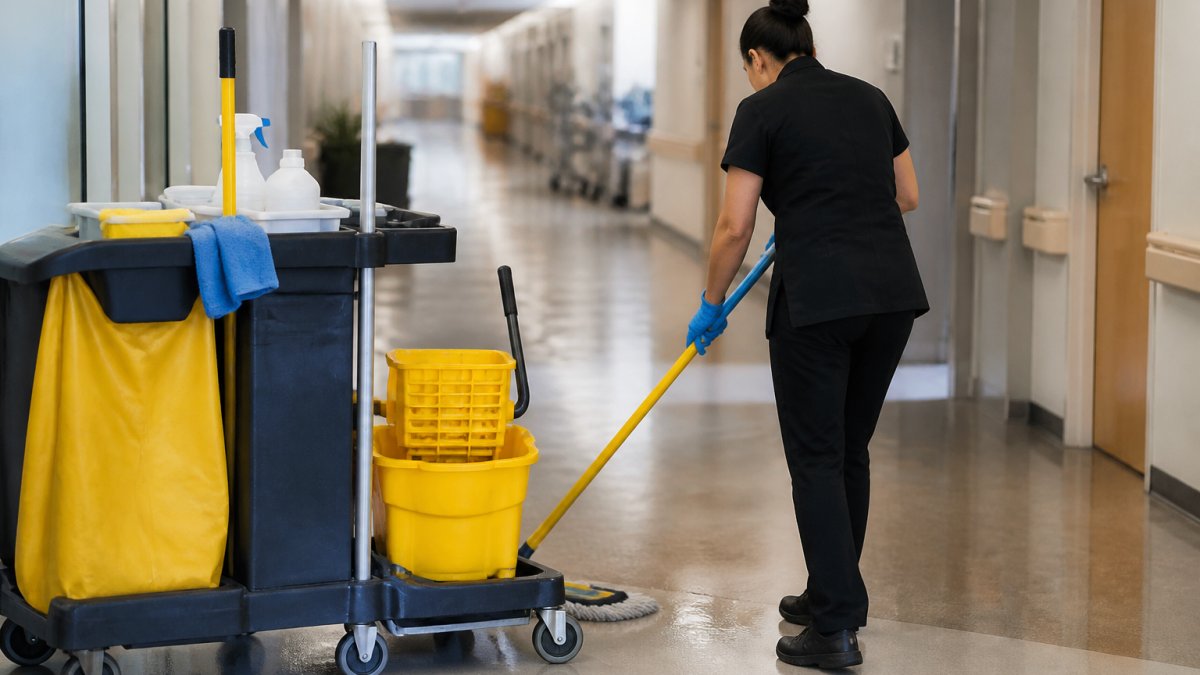
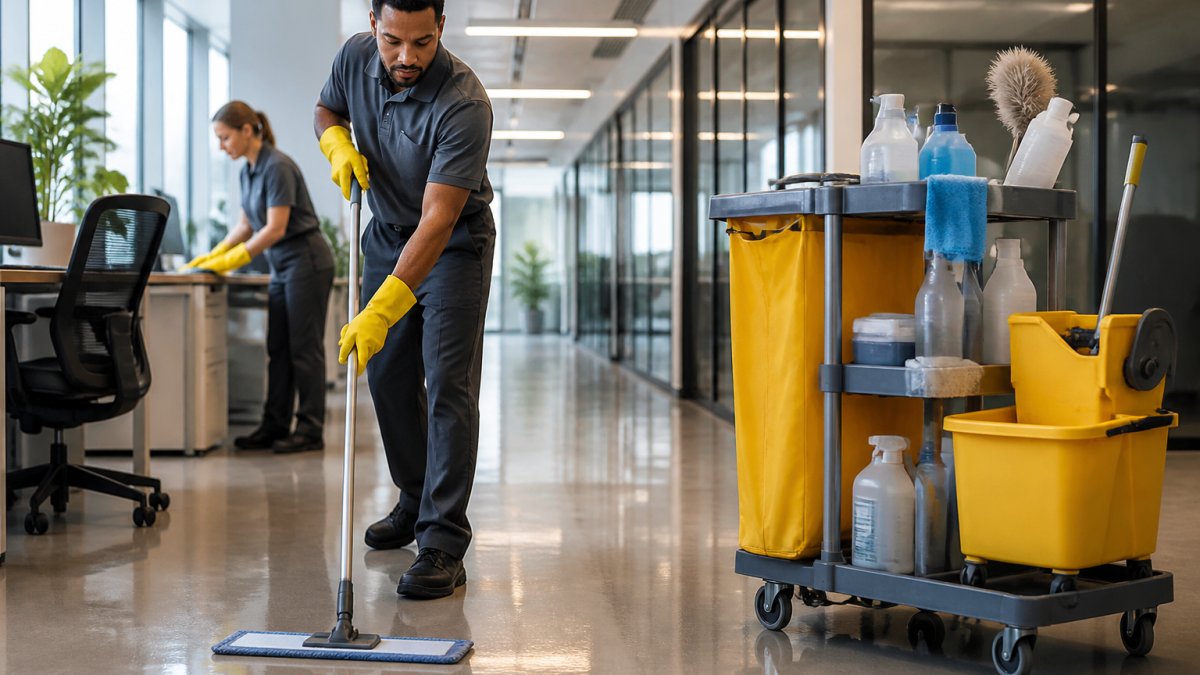
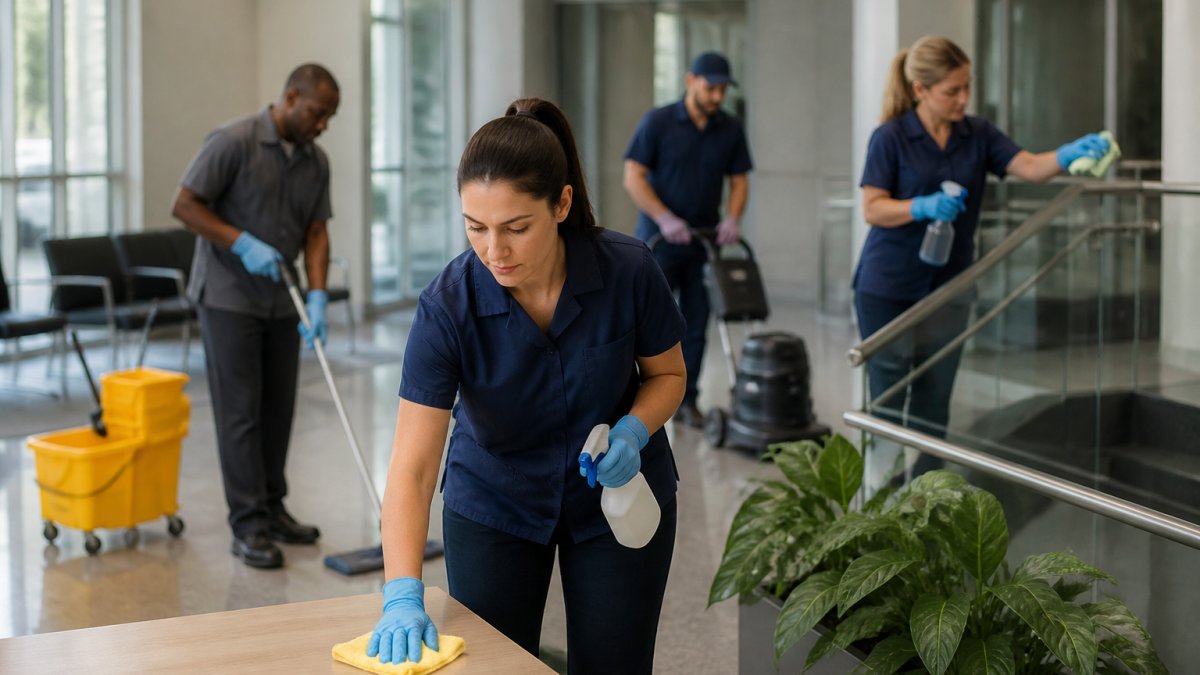
Integrated facility staffing combines cleaning, maintenance, and support services under one management structure. Instead of juggling separate vendors for janitorial work, event turnover, and daily facility coverage, you get one team coordinated by one provider. At Cleaning Concept Facilities Solutions Services, we manage everything from daily janitorial needs to rapid event turnover and specialized healthcare cleaning, all with consistent protocols and trained personnel.
This model eliminates the coordination gaps that plague multi-vendor setups. When cleaning, maintenance, and staffing operate independently, response times suffer: a lobby spill waits because the crew is scheduled elsewhere. With integrated facility staffing, we assign the right person immediately, one contact, one accountability structure, one set of standards.
The real advantage is consistency: every team member follows the same protocols and reports to the same management, preventing the quality gaps that emerge when multiple vendors operate without coordination.
Healthcare Facility Cleaning and Compliance Benefits
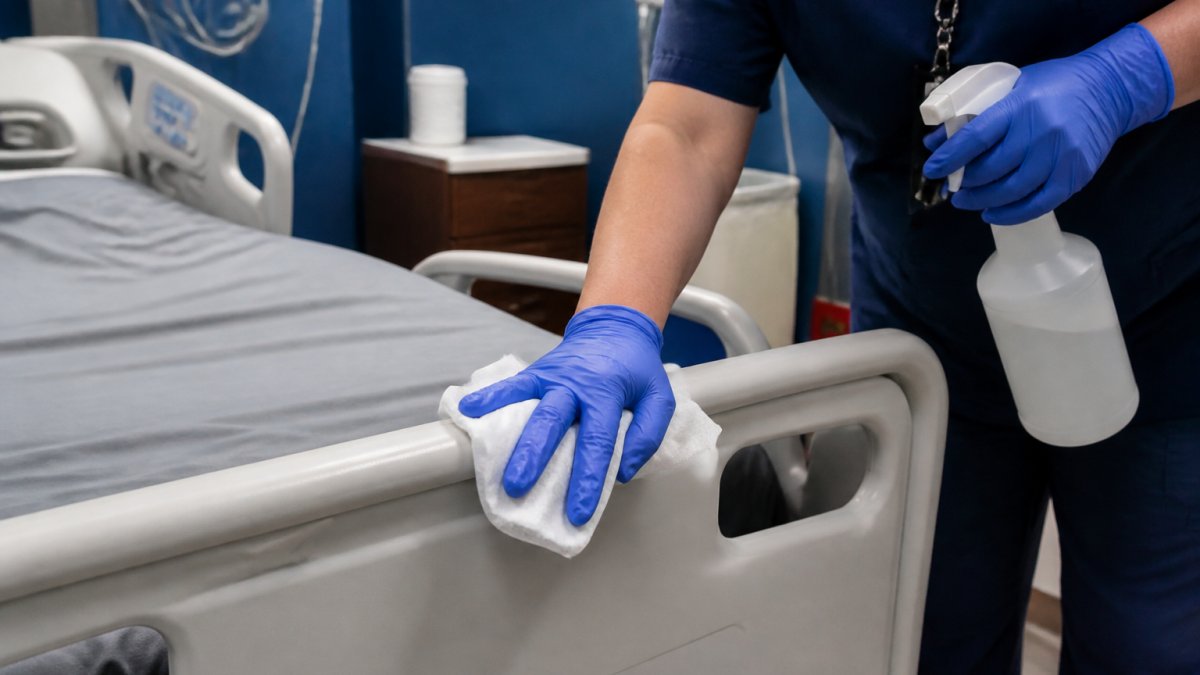
Healthcare facilities demand more than routine cleaning. Compliance with infection control standards, OSHA protocols, and site-specific requirements is non-negotiable, and under integrated facility staffing every team member understands these requirements from day one.
Our OSHA-trained crews apply EPA-registered hospital-grade disinfectants using evidence-based protocols that meet infection prevention standards, following dwell-time requirements and documented procedures that protect patients and staff.

With integrated healthcare facility cleaning through our team, compliance becomes systematic. We document disinfection protocols, staff certifications, and service delivery, so your facility stays audit-ready and turnover doesn't compromise standards because every replacement goes through the same training.
Operational Efficiency and Cost Control
Operational efficiency in facility management comes from eliminating waste and redundancy. With multiple vendors, inefficiency compounds: separate invoices, separate supply systems, and varying notice periods all cost time and money.
Integrated facility staffing consolidates operations into one workflow. We manage supply ordering, schedule coordination, and resource allocation as a unified system, so your facility gets consistent service levels without the administrative overhead of vendor management.
The staffing distinction that drives efficiency
Most discussions of integrated facilities management (IFM) focus on bundling services. The keyword here is staffing: IFM is the service model; integrated staffing is the workforce engine that makes it work. When one provider employs the janitorial, day porter, event turnover, and floor care crews, you eliminate the handoffs that create most delays.
Measurable outcomes to track
Efficiency claims are only credible when you can measure them. Establish baselines before the changeover and track these categories afterward:
- Response time: Time from request to on-site response for spills, restroom issues, and event turnovers.
- Absenteeism and coverage gaps: Track unfilled shifts and last-minute call-outs. A single employer with cross-trained staff can backfill from within the team rather than calling an emergency contractor.
- Work-order completion: Percentage of routine maintenance and cleaning tasks completed on schedule. Fewer vendors means fewer handoffs where tasks get dropped.
- Labor cost per square foot: Total staffing cost divided by cleanable square footage, tracked over time to confirm that consolidation isn't hiding premium emergency rates.
- Service-level compliance: Audit scores against your written scope. Integrated teams follow one set of standards, so variance across areas should shrink.
- Administrative hours: Time your facility manager spends on vendor coordination, invoice reconciliation, and scheduling. This is often the largest hidden saving.
Cost control mechanisms
Cost control follows from this efficiency. We reduce labor redundancy by deploying staff flexibly across your facility's actual needs: extra coverage during peak hours at a medical office, or rapid event turnover, is handled within our team rather than outsourced. That flexibility keeps costs predictable and avoids premium emergency-contractor rates.
When integration is not the right fit
Integrated staffing is not suitable for every facility. Organizations with strong internal custodial teams, highly specialized maintenance requirements, or procurement rules mandating separate contracts may find consolidation reduces flexibility. Transition disruption is real, so we address those risks directly in our transition planning.
Event Turnover Cleaning and Rapid Response Staffing
Event venues and hospitality facilities face unique staffing demands. A conference ends at 5 p.m. and the next starts at 8 a.m.; a banquet finishes late and breakfast service begins early.
Integrated facility staffing gives you dedicated event turnover capacity built into your regular team.
Response time improves dramatically. When a spill happens during an event, day porter services or dedicated staff respond immediately rather than waiting for a contractor. That rapid response protects your reputation and keeps events running smoothly.
For hospitality staffing solutions, integrated models work because they align incentives. Our team's success depends on your venue's success. If an event runs poorly due to facility issues, it reflects on us. That alignment drives accountability you don't get from transactional vendor relationships.
Day Porter Services for Continuous Facility Coverage
Day porter services represent the backbone of facility operations. A dedicated porter manages restroom cleanliness, lobby appearance, spill response, and minor maintenance throughout business hours, and the difference between a well-maintained facility and a neglected one often comes down to that consistency.
With integrated facility staffing, your day porter isn't a contractor who might change weekly. It's a trained team member familiar with your facility's standards and culture who knows which areas need attention during peak hours, understands your guests' expectations, and communicates directly with facility management through established channels.
Continuous coverage through day porter services prevents the quality gaps that emerge when multiple people rotate through the role. Medical offices see fewer infection control issues, corporate headquarters maintain brand image, and schools keep facilities safer for students.
The operational benefit extends beyond cleanliness. A dedicated day porter catches maintenance issues early, a loose handrail, a water leak, a worn floor surface, and reports them before they become safety hazards. That preventive approach reduces emergency repairs and extends asset life.
Employee Retention and Workforce Stability
Facility staffing turnover creates a hidden cost most managers don't fully account for. When cleaning crews constantly change, quality suffers: new people need training, don't know your facility's systems, and work less efficiently.
Integrated facility staffing reduces turnover by creating career pathways within a single organization. Our team members see advancement opportunities, consistent scheduling, and professional development, one employer with clear standards and support structures.
The workforce-planning mechanisms that make the difference
Most benefit lists stop at "lower turnover." The staffing mechanics behind that outcome are what actually matter:
- Consistent scheduling: One employer can build stable routes and shifts. Workers aren't piecing together hours across multiple contractors, which is a common driver of attrition in janitorial services New Jersey and across the Tri-State area.
- Cross-training: A team member trained in day porter services, event turnover cleaning, and floor care and carpet cleaning commercial can be redeployed when needs shift. That protects hours for the employee and coverage for your facility.
- Documented procedures: When we onboard a facility, we document its protocols. New hires inherit those procedures rather than learning on the fly, which shortens the ramp-up period and reduces early turnover.
- Mentorship and advancement: Experienced staff mentor newer team members. Clear advancement paths, from porter to lead to supervisor, give workers a reason to stay with one organization.
- Certification support: Our leadership holds CHESP and T-CSCT certifications, and we invest in OSHA training for crews. Credentials give staff a professional identity and a reason to build a career rather than treat the job as temporary.
What stability looks like in practice
That stability translates to better service. Experienced staff work faster and more carefully, catch details newer employees miss, and understand your facility's unique needs. Medical offices report fewer compliance issues, corporate facilities maintain higher cleanliness standards, and event venues experience smoother operations.
Integrated staffing also helps you retain institutional knowledge. When your day porter, event turnover crew, and maintenance staff all work for the same organization, new hires inherit documented procedures and mentorship, preventing the knowledge loss that happens when contractors cycle through.
Industry-specific staffing patterns
The benefits vary by facility type, and the staffing model should reflect that:
- Healthcare: Medical office cleaning NJ and healthcare facility cleaning require documented infection control protocols. Stable, trained crews reduce compliance risk because every replacement goes through the same OSHA-compliant training and EPA-registered disinfectant protocols.
- Warehouses and industrial: Warehouse cleaning services NJ and industrial cleaning services need crews trained on equipment and safety. Cross-training keeps coverage steady when absences occur.
- Corporate and schools: Corporate janitorial services and school cleaning services NJ benefit from day porter continuity, which builds familiarity with building systems and occupant expectations.
- Hospitality and events: Hospitality staffing solutions and event turnover cleaning depend on crews who know the venue's layout and standards, which cuts setup time and reduces errors during tight turnarounds.
How to Transition to Integrated Facility Staffing
Transitioning from multi-vendor management to integrated facility staffing requires planning, and the biggest risk is service gaps during the changeover.
Week 1-2: Planning and Documentation We audit your current facility operations and document existing protocols, cleaning standards, event turnover timelines, and scheduled maintenance tasks.
Week 3-4: Staff Training and Onboarding Our team learns your facility's specific requirements, walking through your space with current staff. OSHA-trained crews review your site-specific compliance plans, and healthcare facility cleaning staff receive detailed protocols for your medical office's infection control requirements.
Week 5: Transition and Overlap We run parallel operations for one week. Your existing vendors continue service while our team shadows and learns.
Week 6: Full Transition Our integrated team takes over all facility staffing responsibilities. One contact manages all your needs. One invoice consolidates all services.
The transition works because we communicate clearly throughout: you know what's happening each week and have a dedicated project manager handling coordination.
Common concerns during transition:
- Service gaps during changeover: We prevent this through overlap and detailed planning.
- Staff learning curve: Our OSHA-trained, background-checked team members learn quickly because we've documented everything. They're not learning your facility on the fly.
- Quality concerns: We maintain your existing standards during transition. Your facility's cleanliness and compliance standards remain unchanged.
Integrated facility staffing eliminates the complexity of managing multiple vendors while improving service consistency, compliance, and response time.
We've spent over 13 years building integrated facility solutions for healthcare, commercial, industrial, and hospitality clients across the Tri-State area.
Ready to simplify your facility management? Get a quote from Cleaning Concept Facilities Solutions Services and discover how integrated facility staffing can reduce your administrative burden, improve service quality, and strengthen your facility's operational performance.
Frequently Asked Questions
What is the difference between integrated facility staffing and traditional janitorial services?
Traditional janitorial services focus on cleaning alone, while integrated facility staffing combines cleaning, maintenance, security, and operational support under one provider. Integrated staffing coordinates all services through centralized management, reducing response times and ensuring consistent protocols. This approach eliminates gaps between vendors and simplifies communication for facility managers overseeing multiple service areas.
How can integrated facility staffing improve coverage during peak periods?
Integrated staffing providers maintain flexible workforce planning to handle surges in demand, such as event turnover or seasonal increases. With a single provider managing all staffing, scheduling becomes streamlined and staff can be redeployed quickly between tasks. This prevents the delays and gaps that occur when coordinating multiple vendors, ensuring your facility maintains standards even during your busiest times.
Does integrated facility staffing work for smaller medical offices?
Yes. Integrated facility staffing scales to facilities of all sizes, from small medical offices to large hospital systems. Smaller facilities benefit from flexible scheduling and access to trained, background-checked staff without the overhead of managing separate vendors. Our CHESP-certified leadership ensures that site-specific compliance requirements and dwell-time standards are met regardless of facility size.
What certifications and compliance standards should I verify with an integrated staffing provider?
Look for OSHA training, EPA-registered disinfectant protocols, and industry certifications like CHESP or T-CSCT. Verify that staff are background-checked and trained in your facility's specific protocols. Request documentation of compliance with your regulatory requirements and ask for references from similar facilities. Transparent providers will share their training records and certification details readily.